19/10/2026 03:59
Sold Out but Still on TikTok: A Practical Workflow for Cambodian Shops
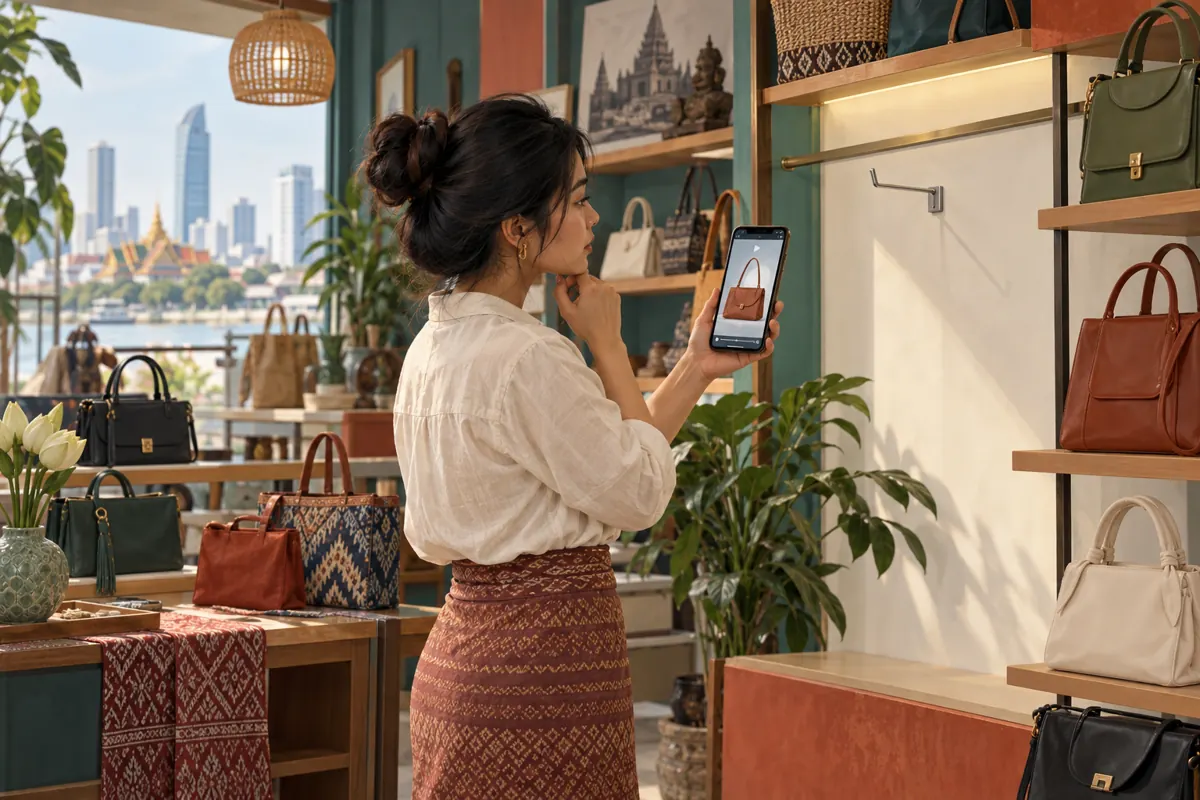
A product can disappear from your shelf while its promotional video remains available to customers. For a Cambodian shop selling through social enquiries, that gap can create wasted conversations, unnecessary journeys and promises staff cannot fulfil. The immediate task is to bring the public offer back into line with actual availability. This guide uses a hypothetical Phnom Penh bag shop to explain what to check, when to keep or withdraw a TikTok video, and how to handle any related SMM panel request. The examples are illustrative, not reports of customer results. The same process can help clothing sellers, homeware shops and other businesses with changing stock.
1. Confirm exactly what has sold out
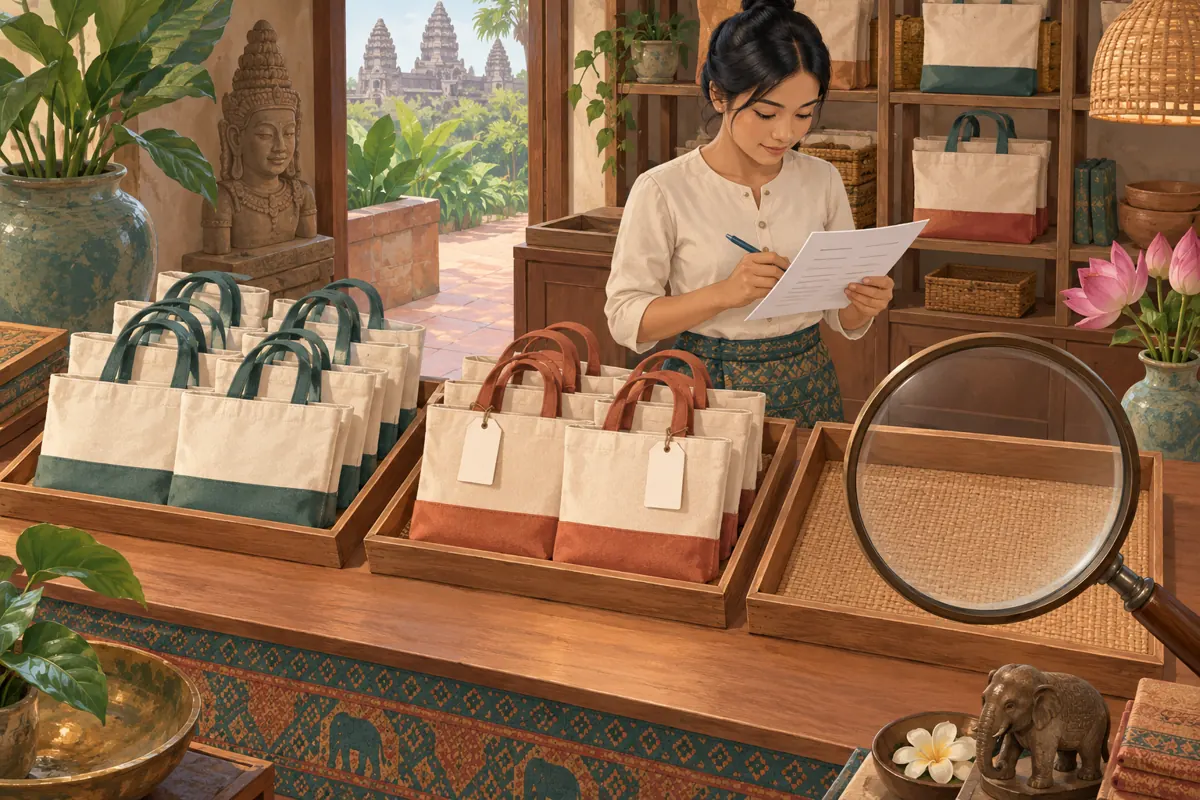
Start with the product shown in the video, including its colour, size, material and package contents. A shelf gap does not necessarily mean the entire range is unavailable. Check storage, reservations, damaged items and orders awaiting collection. Ask the person responsible for stock to identify what can actually be sold now. Keep reserved goods separate from available goods so a social media reply does not accidentally promise another customer's purchase.
In the hypothetical bag shop, the video features a green canvas tote. The green version is unavailable, while a brown version remains. The correct update names the green tote specifically. Saying that all bags are sold out would hide useful choices; saying that bags remain available would leave the featured product ambiguous. Record the check time and the staff member who confirmed availability. If nobody can verify the stock, suspend new promises until someone can.
2. Stop sending new attention toward an unavailable offer
Once the shortage is confirmed, identify the promotional work your team controls. Check planned reposts, upcoming creator mentions, draft campaigns and messages inviting customers to visit. Remove the unavailable item from future sales pushes until its status is clear. An unfinished promotion can usually be revised before customers see it, which is easier than correcting several versions after they circulate.
Treat any existing external service request separately. You may be able to stop your own scheduled content immediately while still needing information about an external order. Do not assume that a panel provides cancellation, pausing, transfer or refunds. Equally, do not leave an inaccurate offer public simply because a service request exists. Customer-facing accuracy should drive the content decision. Record the change, then address the service question through whatever documented support process is available.
3. Decide whether the video still has a useful purpose
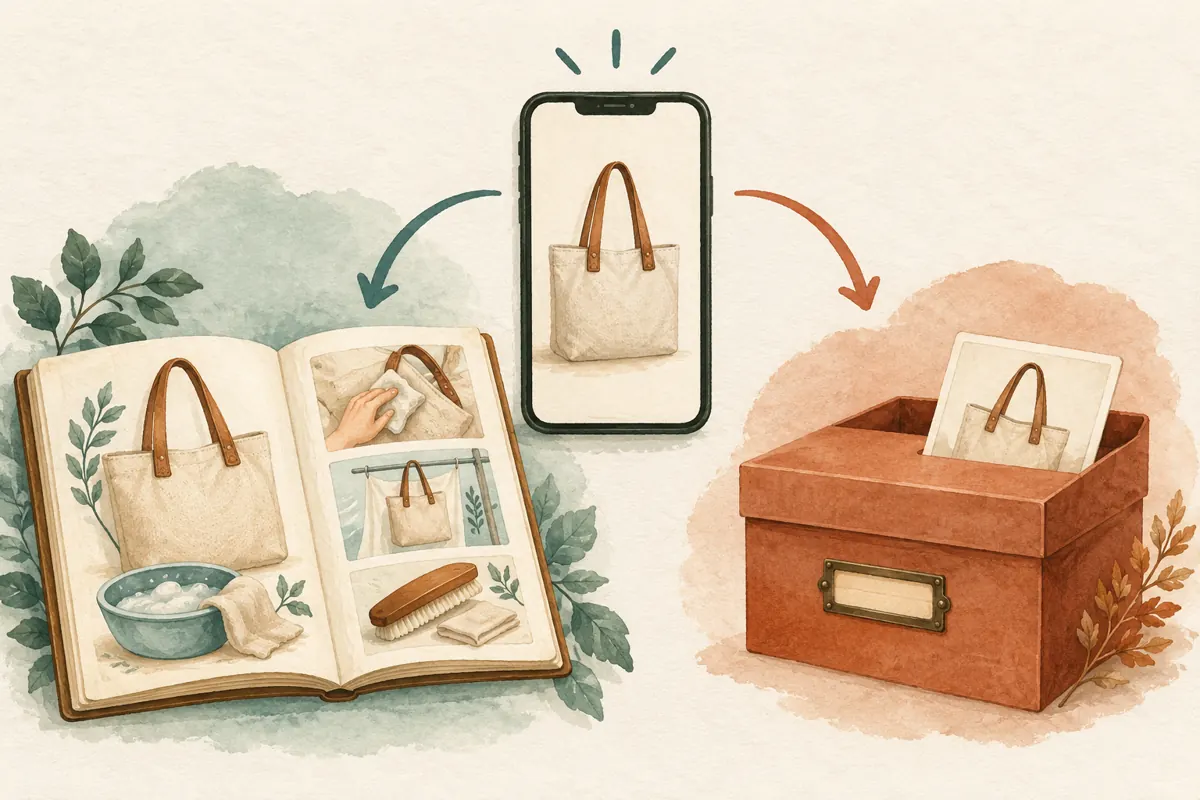
Watch the whole video without relying on its caption. Does it teach customers how to clean canvas, compare bag sizes or inspect stitching? Or does its main message ask people to buy this exact item immediately? Useful demonstrations may retain value after a product sells out. A direct availability claim needs more urgent attention, especially when it appears in the spoken audio or on-screen text.
Use a simple decision rule: keep content only when a new viewer can understand it accurately with the context you can realistically provide. Correct an offer when the correction can be made clear. Withdraw it from public viewing when its central promise remains wrong. A fresh update elsewhere on the profile does not establish that viewers of the older clip will see it. Judge the old video as an independent customer encounter, rather than assuming everyone follows your posting history.
4. Write an update that resolves the buying question
A useful availability update identifies the item, states its current status and explains the next legitimate action. For the hypothetical shop: “The green canvas tote shown here is currently unavailable. We do not have a confirmed restock date. The brown version is available for enquiry; please confirm stock before travelling.” This gives customers something concrete without implying that a supplier estimate is a delivery promise.
Place the correction where your account's available controls allow it to be communicated clearly. A reply can help an individual customer, but should not be your only remedy for a misleading video. Avoid vague phrases such as “coming soon” when nothing is confirmed. If you publish a separate update, show the affected product so customers can recognise it. Have the person answering enquiries use the same stock information, with wording appropriate to the customer's language.
5. Use visibility controls when a correction is insufficient
TikTok's official Community controls guidance explains that post visibility can be adjusted after publishing. It lists an option to make content visible only to you, while noting that settings may vary by region. Check the controls actually available on your account. Restricting an outdated offer can be a practical choice when its audio, imagery and sales message cannot be made accurate through a clear update.
Before changing visibility, retain the public link and a short internal note explaining the decision. This helps staff recognise old enquiries and understand why the video is no longer public. Do not describe a visibility change as an internet-wide recall: previously shared material may still reach customers through other routes. Continue answering identifiable enquiries about the old offer. Review any copies your business posted elsewhere, rather than assuming a change on TikTok updates every channel.
6. Understand what an SMM catalogue entry cannot solve
The supplied mediagrowkh.com catalogue includes “TikTok - Video Views ~ Max Unlimited ~ 10M-500M/Days ~ Instant ~ 𝐍𝐎 𝗥𝗘𝗙𝗜𝗟𝗟”. Its title presents it as a video-view service. The supplied description is empty, so the title's speed, quantity and timing language should not be treated as independently verified performance. It provides no supported basis for assuming Cambodian viewers, genuine purchase interest or a connection to stock availability.
More fundamentally, TikTok's Integrity and Authenticity guidelines prohibit services that artificially increase engagement and describe possible enforcement against deceptive behaviour and inauthentic metrics. A catalogue listing is not platform permission. Do not buy artificial engagement to make an unavailable product look desirable. Purchased engagement is not evidence of genuine interest, sales, ad delivery or Cambodian users. Spend the immediate effort on accurate information and fulfilment; evaluate any later promotion against the platform's rules.
7. Resolve an existing request without promising an outcome
If someone already submitted a service request for the affected video, collect the order identifier, original destination and current displayed status. Add the time the stock problem was confirmed and any visibility change made afterward. Ask support a narrow operational question, such as whether the documented service terms provide a cancellation option. Avoid submitting a replacement order while the first request remains unresolved.
Do not interpret a support acknowledgement as confirmation that delivery stopped or money was returned. Those are separate outcomes requiring explicit evidence. Keep financial expectations out of customer-facing stock messages: shoppers need to know what they can buy, not the shop's panel arrangements. Internally, preserve the original destination instead of silently substituting a different product video. A new link should not be treated as an authorised transfer unless the service's documented process actually permits it.
8. Offer alternatives without creating a bait-and-switch
An alternative is helpful when its differences are visible before the customer commits. Show the available item, name its colour or size, and disclose any changed material, price or included accessories. Do not reuse the unavailable item's imagery as though it represents an identical replacement. Ask whether the customer wants to see another option rather than steering every enquiry toward whatever remains on the shelf.
For the hypothetical shop, the brown tote might have a different closure from the green one. A clear response would mention that difference before sending ordering instructions. If the customer wants only the original item, accept that preference. You can offer a restock notification if you can manage it reliably and the person requests it. Explain that receiving a notification does not reserve stock, confirm a delivery date or create an order.
9. Check the Cambodian customer's fulfilment route
Availability should match the way the customer will receive the product. Stock at a Phnom Penh counter does not automatically establish that an item is ready for provincial dispatch. Check the collection location, packing arrangements and delivery information your business can actually confirm. Before inviting someone to travel, verify that the advertised version is available at the named location and explain your reservation process, if you have one.
For customers using Khmer and English, keep the meaning consistent across replies: unavailable should not become available on request in another language. Where prices are discussed, identify the currency clearly and distinguish the item price from delivery charges. These are communication choices your shop can control. Avoid promising an arrival time merely because a customer lives nearby, and do not invent a nationwide delivery offer to make the replacement product more attractive.
10. Relaunch after the goods are checked
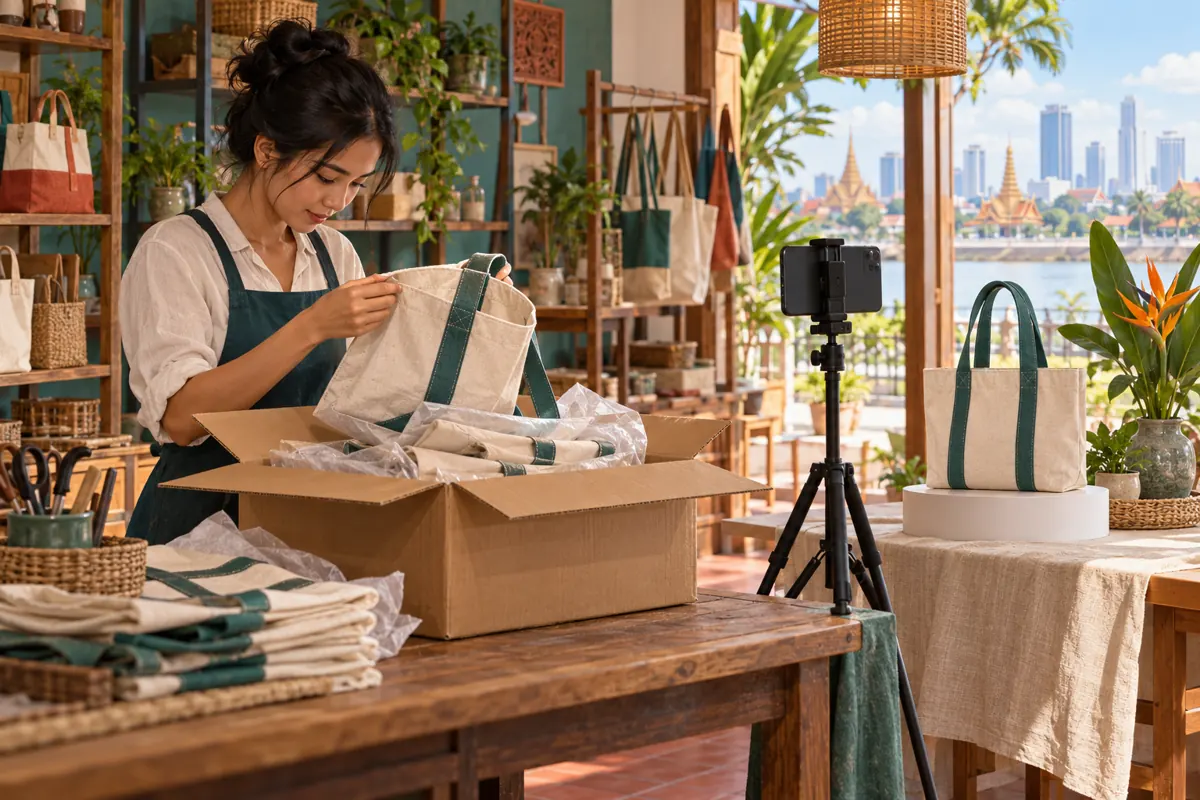
Treat a restock as a new verification point. Confirm that the shipment has arrived, inspect the products and subtract existing commitments before announcing availability. Compare the new batch with the item shown in the original video. A changed strap, fabric or accessory may justify fresh footage even when the supplier uses the same product name. Film what customers will receive now.
Prepare the restock message around confirmed facts: which version is available, how customers can enquire, and what collection or dispatch arrangements apply. Contact people who requested a notification through the agreed channel, without presenting the notification as a reservation. Then decide whether the old video is still accurate enough to restore. Avoid automatic republication based only on the supplier's arrival estimate. A short delay for inspection is easier to explain than another availability correction.
11. Watch for mistakes that recreate the problem
The most common operational mistake is leaving an old sales promise active while assuming a new post has corrected it. Other mistakes include counting reserved goods as available, describing a similar product as identical, and using “sold out” as promotional theatre without evidence. Avoid explaining the shortage as proof of viral demand. Low starting stock, supplier delays and reservations can all affect availability without demonstrating marketing success.
Review practical customer outcomes after the correction. Are people still asking for the unavailable version? Are staff giving consistent answers? Has someone arrived expecting an item the shop cannot supply? Use those observations to improve the message and the stock-check process. Assign one person to confirm availability before the next product promotion. For a small shop, a brief check before filming and another before publishing can prevent the same avoidable mismatch.
Frequently asked questions
Should I delete every TikTok video featuring a sold-out product?
No. First assess what the video promises. A care demonstration may remain useful, while a direct claim of immediate availability can mislead. Keep it only if the remaining message and available context are accurate. If the central offer cannot be corrected clearly, consider the visibility options available on your account. Preserve enough internal context to answer later enquiries.
Is replying “sold out” in the comments enough?
It answers the person who receives that reply, but it is a weak sole correction for a video whose main message remains inaccurate. Do not assume every viewer reads the comments. Examine the spoken offer, on-screen wording and other customer contact points. If you cannot make the current status clear to a new viewer, reconsider public visibility.
Can purchased views tell me whether I should reorder?
No. Purchased views do not establish genuine demand, local buyers or willingness to pay. Reordering should draw on verified sales, stock records, specific customer enquiries and supplier conditions. Even genuine enquiries are not completed purchases. Keep panel delivery records separate from the evidence used to decide which product variants deserve another stock commitment.
What if the supplier says the product will arrive tomorrow?
Describe that as an estimate only if sharing it helps the customer, and make the uncertainty explicit. Do not convert it into a guaranteed availability or delivery promise. Wait for arrival, inspection and allocation before declaring goods ready for sale. If a customer requests an update, explain how you will notify them and whether any reservation exists.
Explore the current service catalogue, create an account, or ask a specific question through support tickets.
- TikTok Safety Centre: Community controls — post visibility and regional variations
- TikTok Community Guidelines: Integrity and Authenticity — deceptive behaviours and fake engagement
Prepared with AI assistance. Illustrations explain the workflow and do not represent customer results.