19/10/2026 17:45
Short or Wide Demo? Choosing a YouTube Format for Cambodian Garment-Steamer Shops
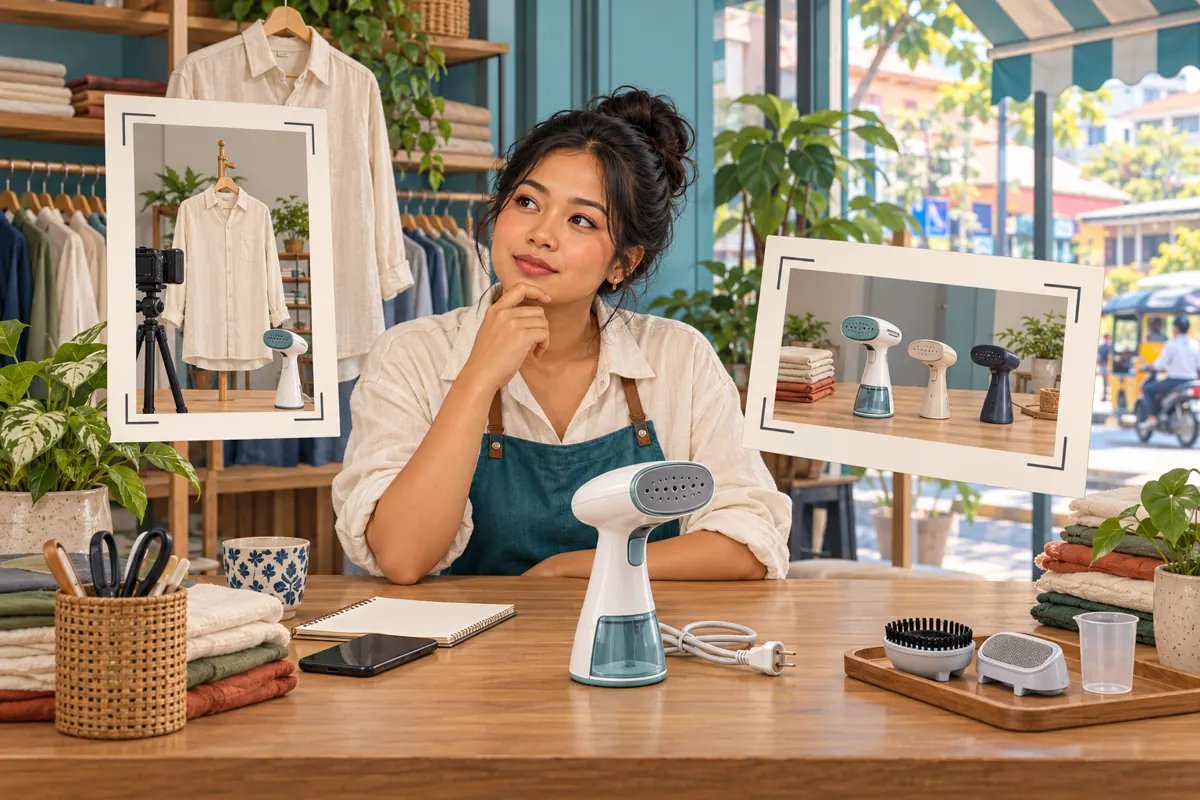
A garment-steamer demonstration can be brief without necessarily needing to become a YouTube Short. A hanging shirt suits a tall frame, while two appliances and their accessories may need a wider view. For Cambodian shops promoting products to households, clothing sellers or small tailoring businesses, this choice affects what customers can actually see. Decide the format before filming, then verify the exported video before sharing it or considering any SMM panel service. This workflow connects the customer’s question to the camera frame, upload checks and follow-up conversation, without treating purchased engagement as evidence of demand.
1. Start with the decision the customer needs to make
Write one sentence describing what the viewer should understand after watching. Useful examples include identifying the removable tank, seeing the size of the appliance beside a shirt, or comparing the accessories supplied with two models. Avoid beginning with a vague instruction such as making something viral. That gives the person filming no way to decide what belongs inside the frame.
For a Cambodian shop, the question might come from a Khmer-language enquiry about carrying a steamer between a home and a clothing stall. Build the demonstration around the relevant physical details, then explain them in the language that customer uses. Keep model identifiers consistent across speech, packaging and captions. A clear question also gives staff a reason to share the video later: it answers a particular enquiry rather than simply announcing that the shop has uploaded something.
2. Understand what determines the YouTube format
YouTube’s official three-minute Shorts guidance says that, for standard channels, square or vertical videos uploaded on or after October 15, 2024, are classified as Shorts when they are up to three minutes long. It advises using a wider aspect ratio, such as 16:9, when you want a long-form video instead. The supporting official page is included in the sources.
For planning purposes, separate duration from shape. A two-minute demonstration can be deliberately composed as a wide video. A square export is not an automatic escape from Shorts classification. Check the finished file rather than relying on how the camera was held: editing software can place footage inside a different canvas. Put the intended orientation in the filming brief so the editor does not have to guess at the end.
3. Choose a frame that preserves the comparison
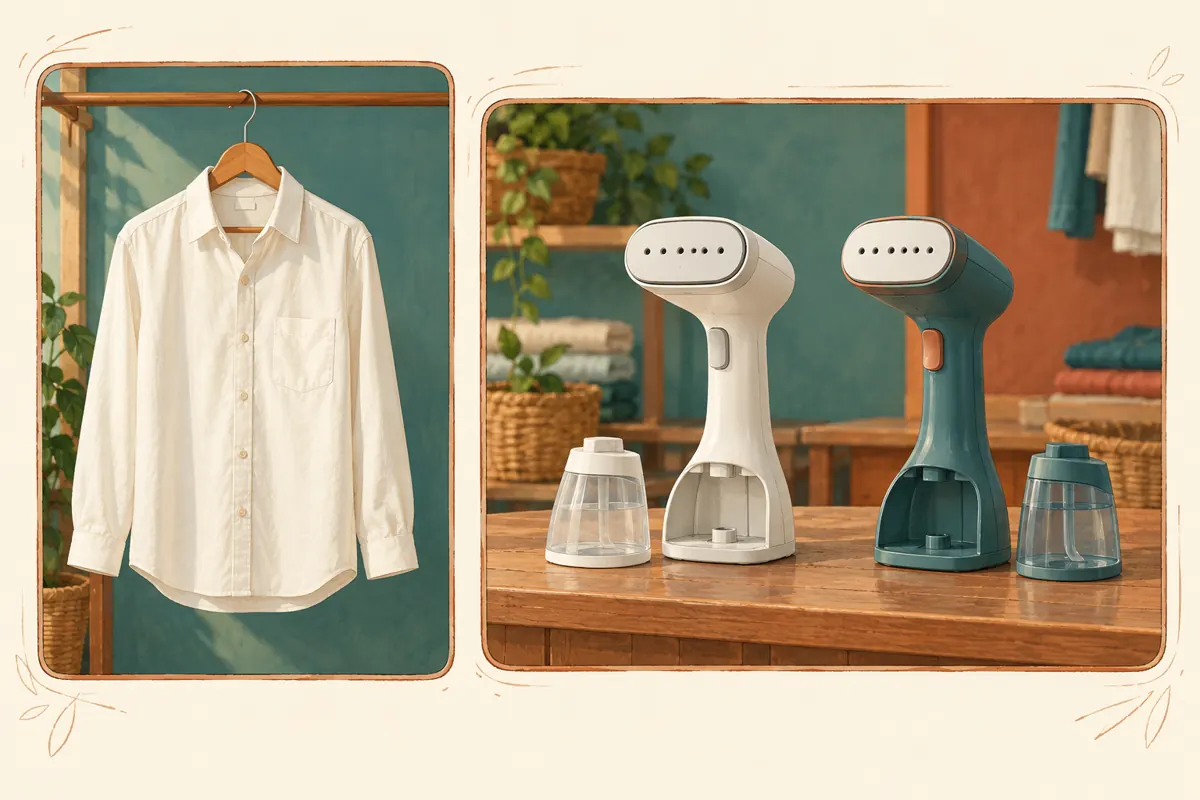
A portrait composition can work well when the important action follows the height of a garment. It can also suit a close view of one control or detachable component. A wider composition is often more useful when a presenter must point between two products, lay out accessories or show the relationship between an appliance and the available workspace. These are editorial choices, not predictions about which format will receive more exposure.
Before recording, arrange the actual objects and look through the camera. Can someone distinguish both tanks without repeated camera movements? Is the relevant part large enough to recognize? Does the presenter’s hand cover the detail being explained? If a comparison needs constant panning, consider a wider shot. If most of the image is unused counter space, a closer composition may explain the subject more efficiently.
4. Plan separate shots instead of trusting a later crop
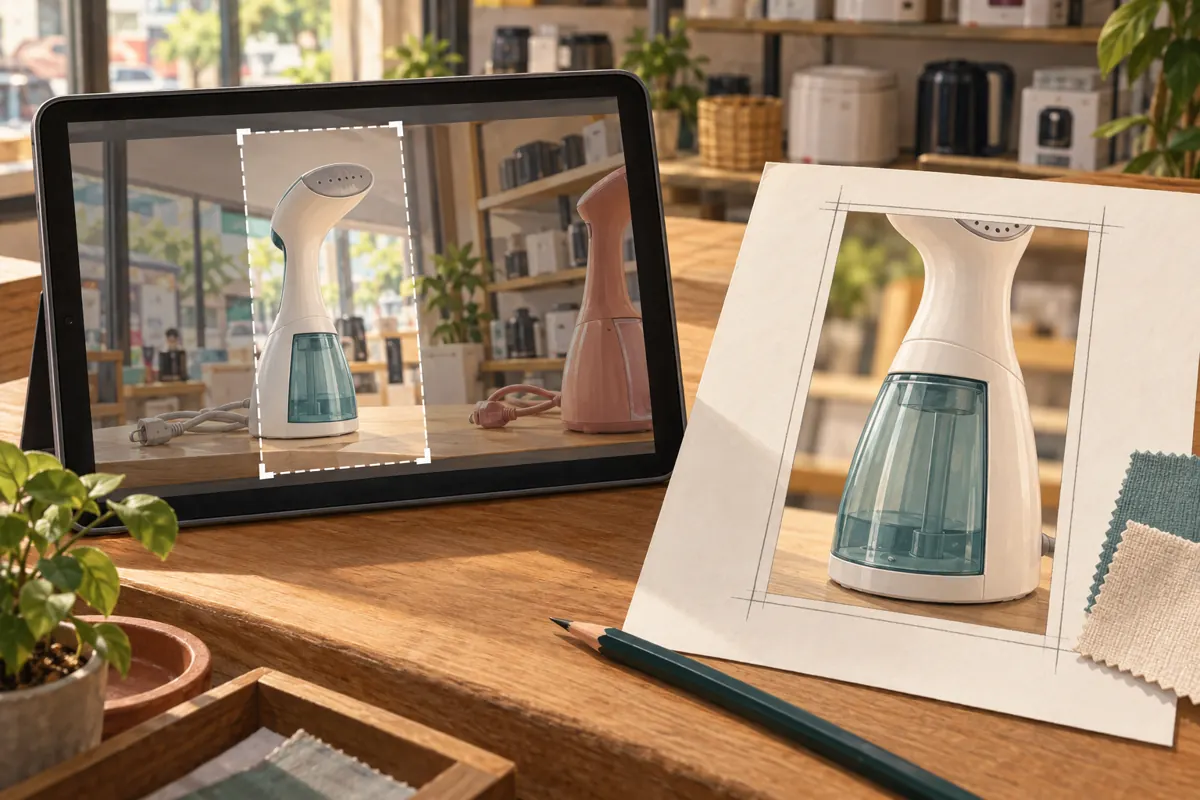
If the shop needs both formats, prepare two small shot lists. The wide version might show both appliances together, followed by individual details. The portrait version might answer one narrower question about one model. Record the close views deliberately. Automatically cutting the middle from a wide comparison can remove the second product, the presenter’s pointing hand or the accessory that makes the explanation meaningful.
Allow room around important details for captions, then test their placement on a phone. Keep the camera steady long enough for the viewer to examine the object. During an operating demonstration, follow the manufacturer’s instructions and retain any necessary explanation of conditions or limitations. Do not remove those details just to meet a preferred running time. If the complete answer needs more space, change the format or divide the subject into genuinely independent questions.
5. Review the exported file as a customer would
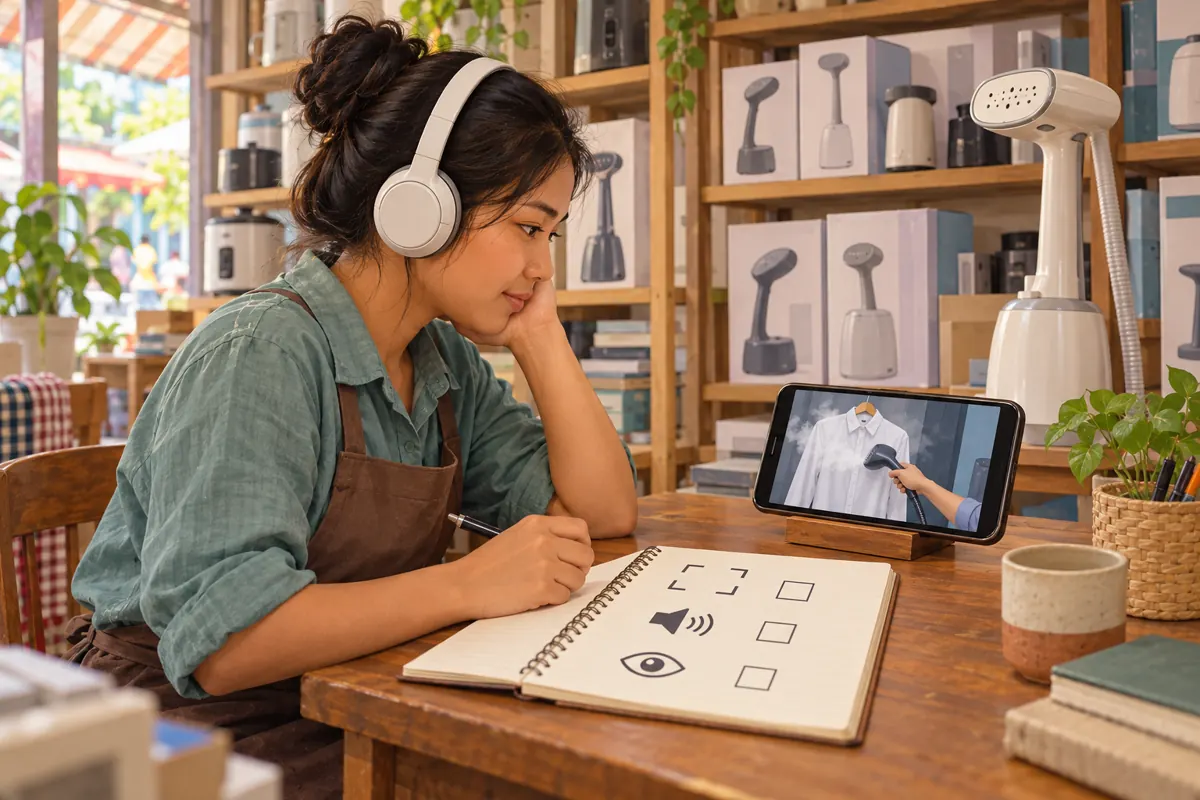
After editing, open the actual export from beginning to end. Check its duration and dimensions in the editor or file information. Then watch it on a phone at an ordinary viewing size. A clean editing preview on a large monitor can hide a tiny model label or a caption that covers the tank release. Ask a colleague who did not edit the video to identify the product and describe the demonstrated difference.
Use a second viewing with the sound muted to inspect the visual explanation. This does not mean every video must work entirely without narration. It reveals whether important actions are visible and whether written information remains readable. Keep a short correction list tied to moments in the video: enlarge the component shot, move the caption, or restore the missing comparison. Resolve those issues before preparing promotional copy.
6. Check audio before committing to a longer Short
YouTube states that a Short longer than one minute with an active copyright claim is blocked globally. That makes audio review especially relevant when a shop prepares a demonstration between one and three minutes. Its upload guidance also tells creators to ensure that copyrighted material in externally created videos is approved for use on YouTube. See the official sources for the platform rules.
For this workflow, record the explanation where background music will not obscure speech or enter the recording unintentionally. Keep a simple record of any music added during editing and the permission supporting its use. Do not assume that a song available inside another social app can be carried into a YouTube export. If music contributes little to the explanation, a clear voice recording may be the more practical creative choice. Review the final soundtrack, including the opening and closing seconds.
7. Upload, inspect and resolve uncertainty before sharing
YouTube’s desktop upload instructions use YouTube Studio, then CREATE and Upload videos. Complete the details and deliberately review the visibility choice before publishing. After processing, inspect the uploaded result and confirm how it appears in the channel’s content management area. Do not make promotional commitments while you are still unsure which version was uploaded or whether it plays correctly.
Record the title, intended format, exact video reference and review date in the shop’s content notes. Open the intended viewing destination on a phone and check the picture, sound and product identity again. If the upload differs from the approved export, investigate that mismatch before distributing its link. One person should confirm the final reference for staff to use, especially when both portrait and landscape versions have similar titles.
8. A hypothetical Phnom Penh shop makes the choice
Consider a hypothetical Phnom Penh appliance shop preparing a two-minute comparison of two handheld garment steamers. Customers have been asking how the removable tanks differ. The first recording is vertical, but the presenter repeatedly moves one appliance out of view to bring the other closer. The footage technically contains both products, yet the viewer cannot inspect them together.
The shop chooses a wide comparison and records a separate portrait explanation of one tank. The wide video keeps both appliances visible while the presenter identifies each component. The portrait version answers only the narrower question and avoids implying that it contains the full comparison. Staff use whichever video matches the enquiry. No sales increase is assumed in this hypothetical example. The immediate result is a clearer set of explanations, which the shop can evaluate through actual customer questions.
9. Apply a separate decision to SMM panel services
The supplied public catalogue includes the exact listing “YouTube Like ~ Max 5k ~ 5k/days ~ Instant ~ 𝗥𝗘𝗙𝗜𝗟𝗟 30D”. Its name identifies a YouTube likes offering, but the brief provides no accompanying description. Treat the remaining wording as catalogue claims, not independently verified delivery terms. It does not establish compatibility with a particular upload, Cambodian audience origin, genuine interest or official platform affiliation.
YouTube’s fake engagement policy prohibits artificial increases in metrics and warns that a hired promoter’s actions can affect the channel. A visible service listing is therefore not sufficient reason to order. Reject methods that artificially inflate engagement. Purchased engagement does not demonstrate sales, advertising delivery or Cambodian viewers, and it cannot repair unclear framing. If an existing panel order concerns the video, keep its record separate from customer enquiries and avoid treating its delivery status as a measure of the demonstration’s usefulness.
10. Promote the answer and collect useful feedback
Write sharing text that states the question answered. For example, a hypothetical caption could introduce a comparison of two removable tanks and identify the models shown. Use Khmer when that is the intended audience’s working language, while preserving genuine product names. Avoid promising that the demonstration proves suitability for every fabric, workload or customer situation. Describe only what the footage and verified product information support.
When someone asks about the product, send the relevant explanation with a short sentence connecting it to their question. Record unresolved questions in ordinary language: the tank opening was difficult to see, the accessory package was unclear, or the customer needed another model. Ask how they found the video when appropriate, but accept that some will not remember. Enquiry notes can guide the next recording; they do not establish that a particular promotion caused a purchase.
11. Avoid fixes that create a different problem
Do not stretch a tall recording sideways to create a wide export; distorted product proportions undermine a size demonstration. Likewise, placing a tiny portrait image inside a large landscape canvas may leave the important details too small. Recompose the edit with useful close views or record the necessary wide shot. The objective is an understandable demonstration, not merely a file with different dimensions.
Avoid adding an empty ending simply to change the running time, rushing narration to fit a limit, or deleting a necessary qualification. Another common mistake is sharing both versions without explaining their different purposes. Give each a descriptive title and keep the customer’s question in view. When staff cannot explain why both versions exist, one carefully prepared video may be easier to maintain and more useful to the people receiving it.
Frequently asked questions
Should every short product demonstration become a YouTube Short?
No. Choose according to what the customer needs to see. A brief comparison may need a wide frame to preserve the relationship between two products. A single tall subject may suit portrait framing. Neither choice, by itself, establishes that the video will attract relevant customers.
Can I make both versions from the same recording?
Sometimes, if the original contains enough usable detail and space. Preview each crop independently. If a portrait crop removes the second appliance or a useful hand movement, record another shot. Reusing footage should not force the viewer to guess what the presenter is discussing.
What if my existing vertical demonstration is already clear?
Keep its usefulness central to the decision. You do not need to remake a clear explanation merely because you also publish wide videos. Confirm the upload’s format and playback, then describe its purpose accurately. Record a separate comparison only when customers need information the existing demonstration does not provide.
Do more likes show that customers prefer one steamer?
No. A like does not identify the viewer’s location, purchase intention or preferred model. Purchased likes are especially unsuitable as evidence of demand. Ask interested customers what they need and record actual product enquiries separately from public engagement totals or panel delivery records.
How should a small shop decide what to improve next?
Review the questions that remain after people watch. If viewers repeatedly cannot identify the tank release, improve that shot. If they understand the demonstration but ask about another model, plan a different explanation. Make one purposeful change at a time and document the reason without inventing a performance claim.
Explore the current service catalogue, create an account, or ask a specific question through support tickets.
- YouTube Help: Understand three-minute YouTube Shorts
- YouTube Help: Upload YouTube Shorts
- YouTube Help: Fake engagement policy
Prepared with AI assistance. Illustrations explain the workflow and do not represent customer results.